01 / PROPULSION
The engine
An in-house liquid-propellant engine featuring a three-level injector, combustion chamber and nozzle. Injector flow was checked experimentally before the integrated hot-fire campaign.
INJECTOR / COMBUSTION / TEST STANDAn experimental launch vehicle.
Designed, built and tested by ReSAT.
We welcome conversations with organisers, teams and technical partners about mission planning, integration and future launch campaigns.
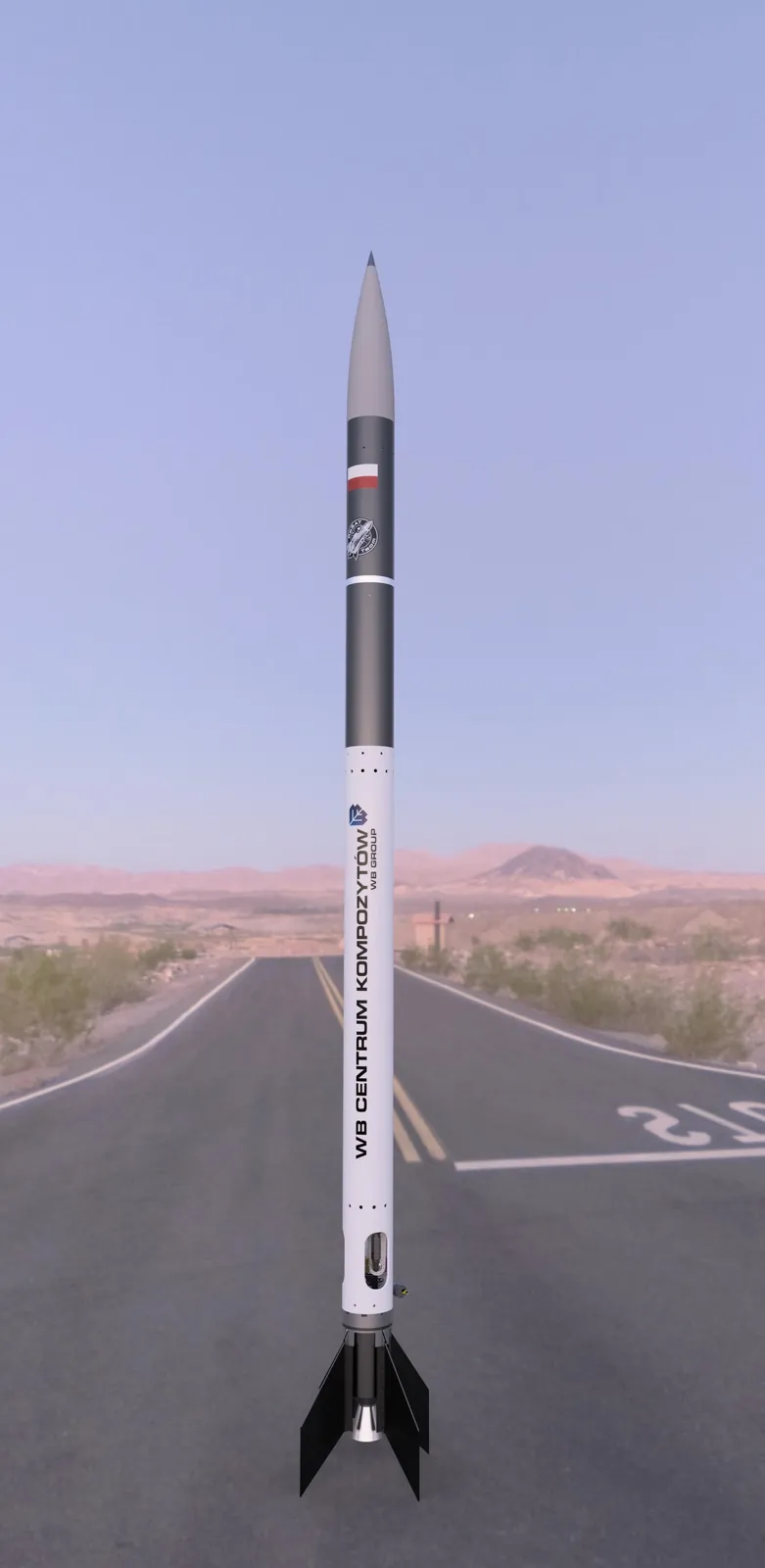
resat.team@gmail.com STELA 1 remains under development. Future campaigns depend on successful vehicle validation.ReSAT began with a CanSat mission. Today, we are developing STELA 1 — an experimental liquid-propellant rocket and the systems required to operate it.
The programme connects propulsion, structures, avionics, ground equipment and flight recovery. We design and manufacture the hardware, test individual subsystems and bring them together on the test stand.
See the vehicleA pressure-fed propulsion system using nitrous oxide and ethanol, custom avionics, an aluminium piston tank and a two-stage recovery architecture.
The rocket is still in development. Ground testing is being used to validate the design before flight.
Each major subsystem is designed, assembled and validated as part of the same programme.
An in-house liquid-propellant engine featuring a three-level injector, combustion chamber and nozzle. Injector flow was checked experimentally before the integrated hot-fire campaign.
INJECTOR / COMBUSTION / TEST STANDA custom aluminium pressure vessel carries separate oxidiser and fuel chambers. An internal moving piston separates the propellants while coupling their supply pressures.
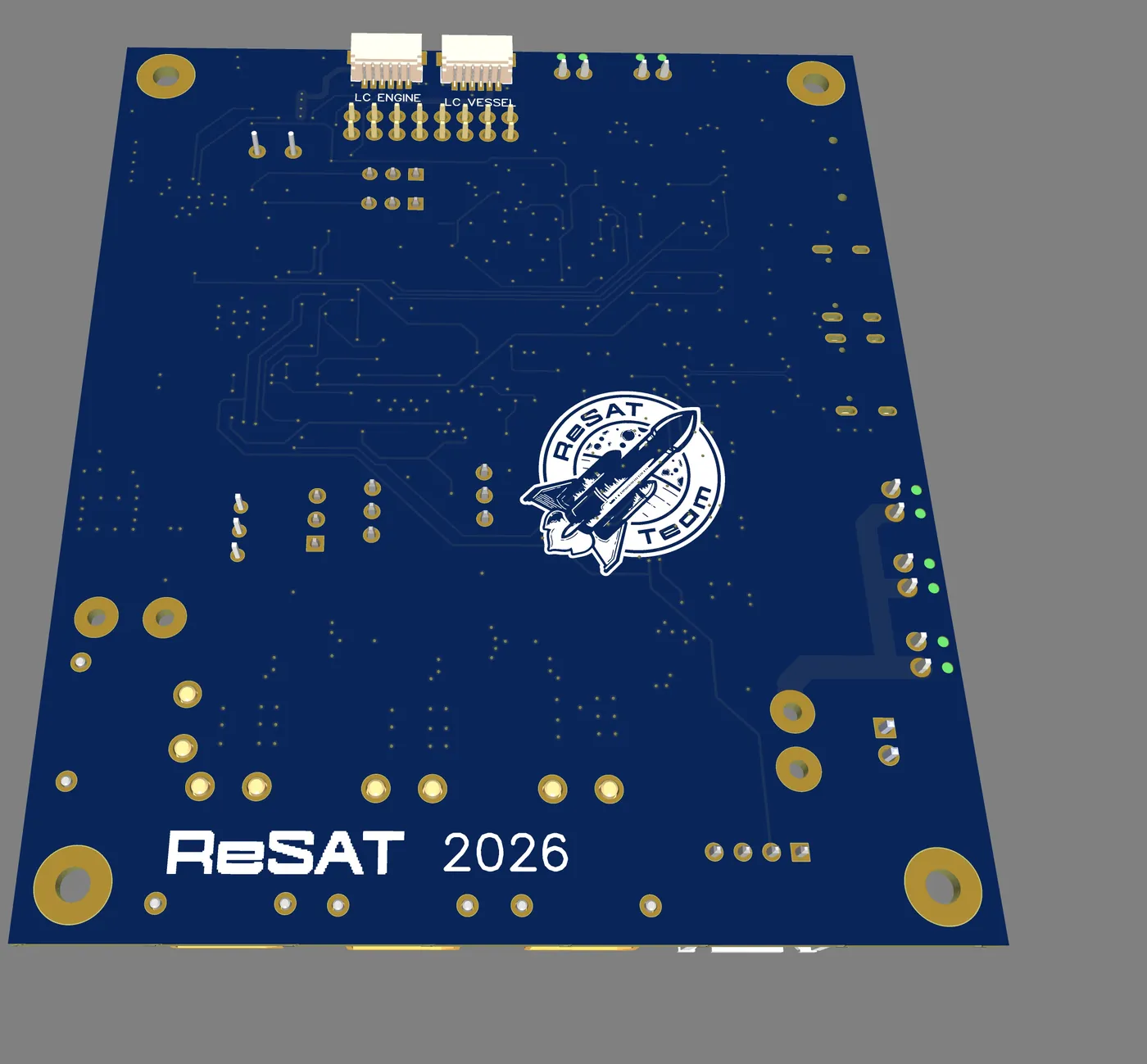
STRUCTURAL ANALYSIS / HYDROSTATIC TESTINGCustom-developed electronics control test sequences and capture pressure, temperature, thrust, GPS and piston-position measurements, with onboard data logging and radio telemetry.
PCB DESIGN / SENSORS / TELEMETRYThe ground-test campaign turns engineering assumptions into measured results. Each firing helps identify what works, what needs attention and what must change before flight.
Drone footage from a subsequent hot-fire test. The video shows real ground testing; it is not footage of a rocket launch.
See the full project filmPropellant transfer and the piston worked as intended. Failure of the igniter prevented combustion in the main chamber.
Combustion occurred, but thrust was intermittent. The team identified restricted flow through the solenoid valves as the main suspected limitation and changed the valve design.
Later footage documents continued testing of the propulsion system. Performance numbers for this test are not presented without verified measurements.
Measurements from the tank, electronics and test stand make the next design decision possible. The same electronics architecture supports both ground testing and the planned onboard system.
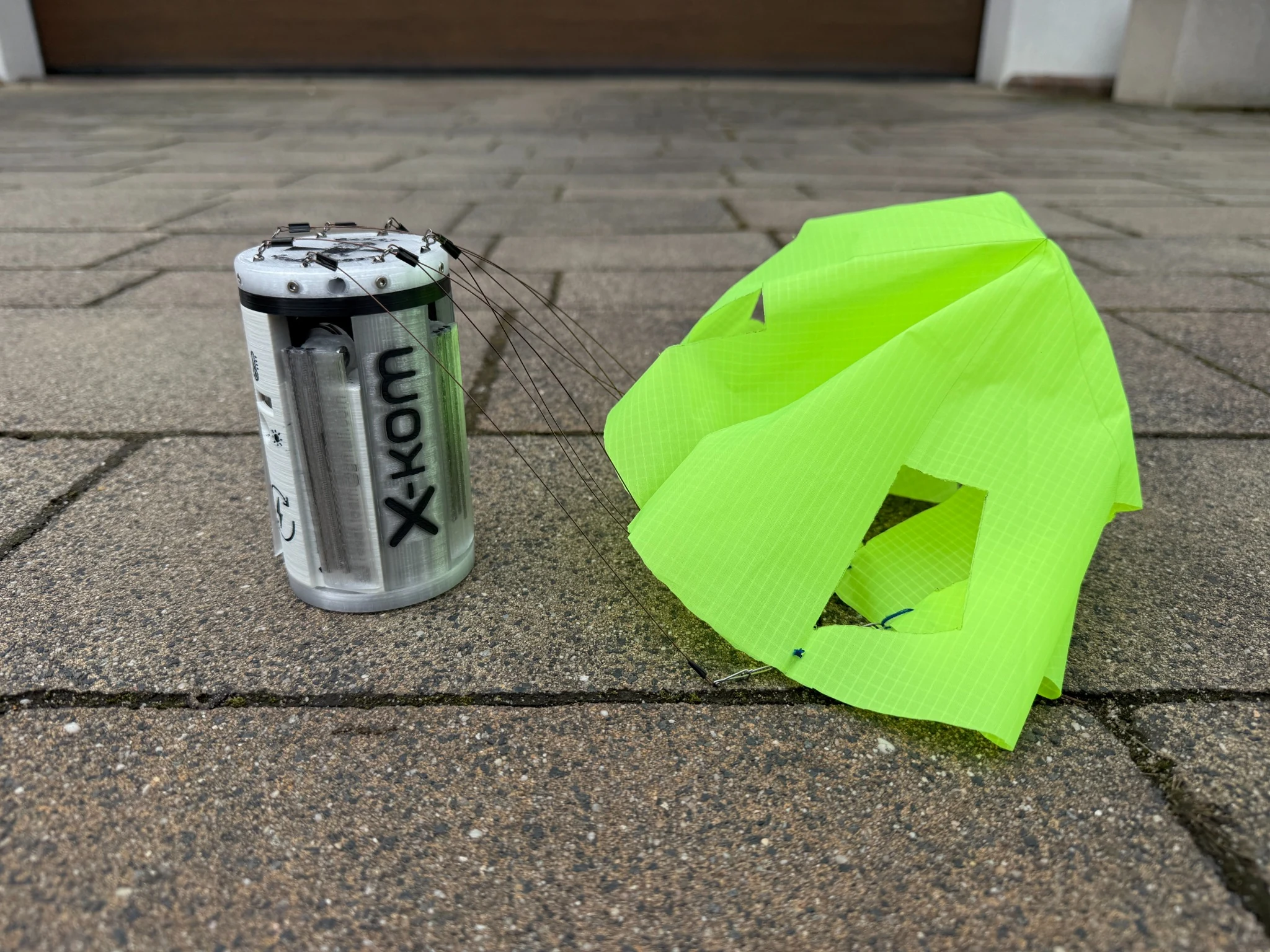
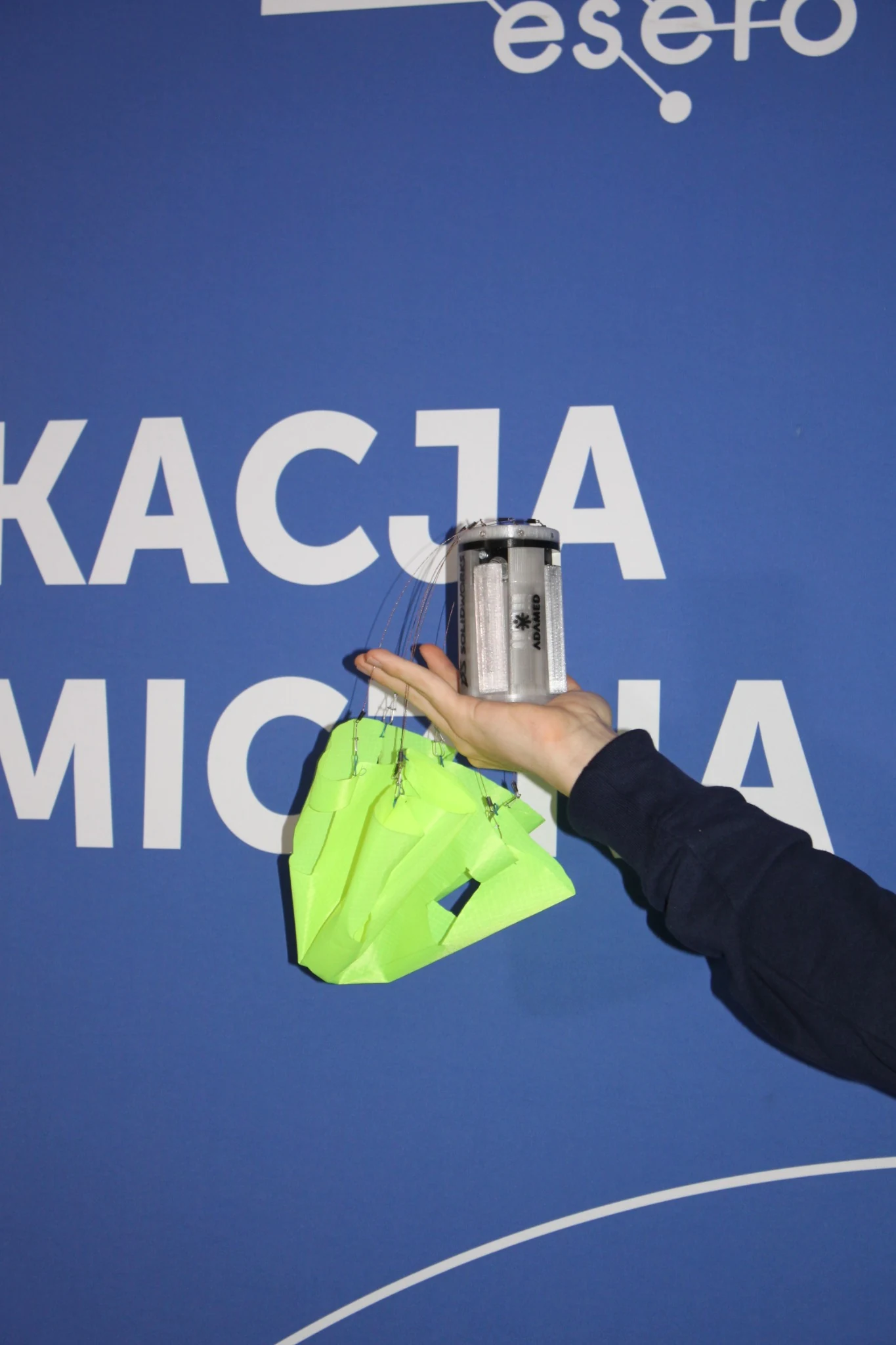

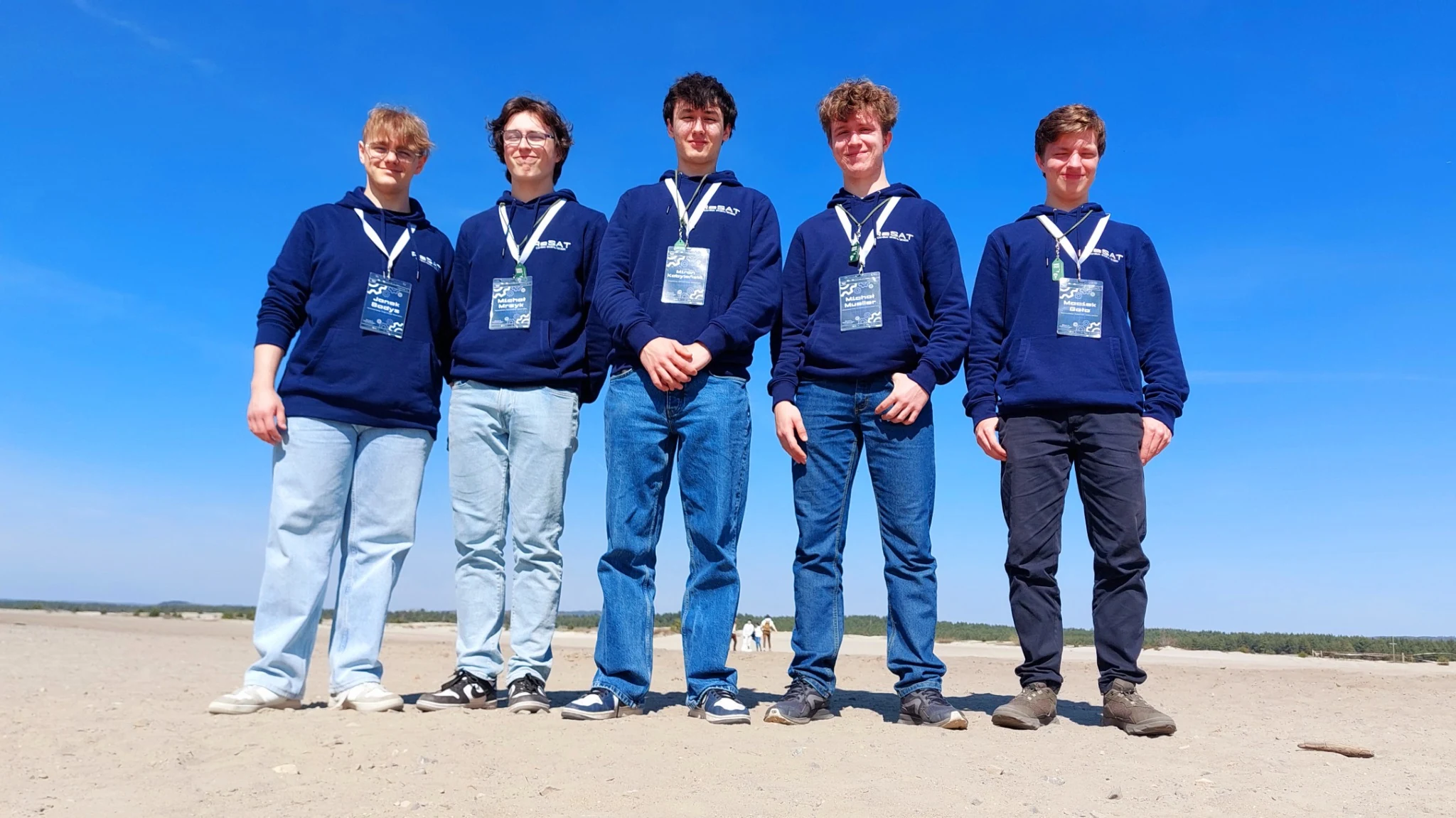
ReSAT won first place in the Polish CanSat competition in 2025. That project gave us hands-on experience with small scientific payloads, testing, integration and flight operations.
STELA 1 is a separate, ongoing development programme. Our long-term work brings together the perspective of a payload team and the engineering required to develop launch infrastructure.
ReSAT on Instagram